← Journal
採購策略AI

醫療器械採購轉型:從人手投標到AI驅動工作流程

2026年5月10日

醫療器械採購正經歷自傳真轉向電郵以來最大的變革。成功把握這次轉型的企業,將在未來十年主導醫院供應商名冊。未能跟上的企業,則會在反應更快、更準確、合規文件更完善的競爭對手面前失去標書。

舊時代:為何人手採購正在消亡

以下是大多數醫療器械公司仍然習以為常的流程:

  • 招標書以200頁PDF透過電郵送達
  • 初級團隊成員花2天將要求提取到電子表格中
  • 產品專員花一週時間將規格與產品規格表逐一對照
  • 監管核查靠記憶及抽查證書資料庫完成
  • 最終提交文件以Word組裝,手動排版再花一天
  • 總歷時:3至4週。總工時:80至120小時。

當醫院每季度才發出一次招標時,這套流程尚可運作。然而在2026年,隨着GPO推行AI驅動採購、醫院發出持續性RFQ,3至4週已經太慢。您的競爭對手以天為單位回應。

採購轉型的四個階段

第一階段:數碼化

從非結構化流程(電郵、共享硬碟、口耳相傳的知識)轉向結構化數碼工作流程。包括:

  • 具備結構化規格的中央產品目錄
  • 可搜尋證書、產品規格表及測試報告的文件庫
  • 設有階段關卡及問責機制的招標追蹤系統

大部分企業認為自己已經完成了這一步。事實上大多數尚未達到——至少未達到足以啟動自動化的水平。

第二階段:自動化

將AI應用於招標回應中的機械性步驟:

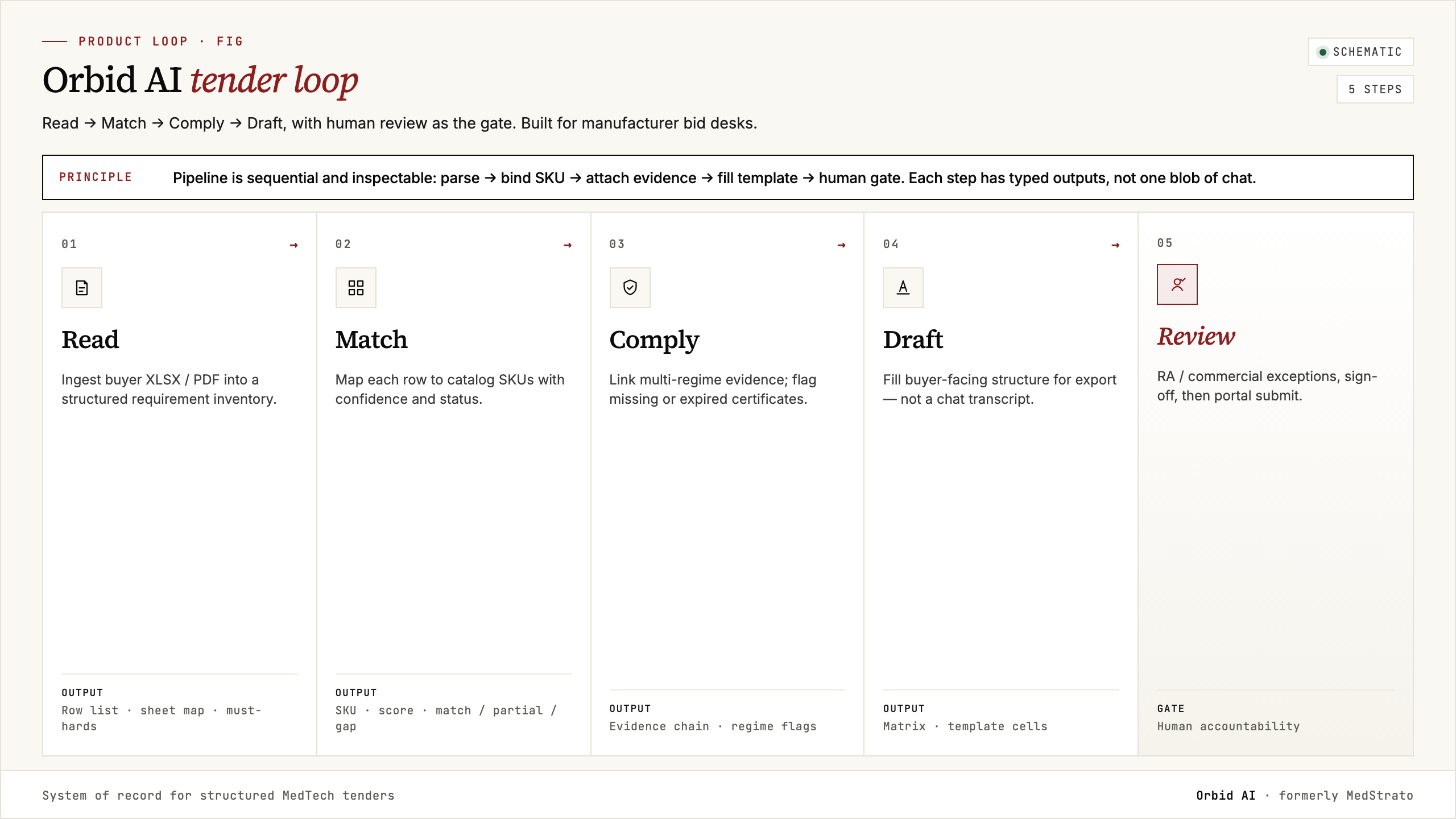
  • 要求提取——AI將招標文件解析為結構化行項目
  • 規格匹配——將每項要求對應至您的產品目錄,附信心評分
  • 合規核實——對照FDA 510(k)、歐盟MDR及其他監管資料庫進行自動核查
  • 證據組裝——自動提取相關文件並鏈接至特定要求

這是最大的時間節省所在:投標準備時間減少80至90%

第三階段:優化

利用已完成招標的數據作出更佳策略決策:

  • 按產品類別、地區及醫院類型分析中標/落標
  • 從投標反饋中獲取競爭定位洞察
  • 基於歷史招標數據的定價優化
  • 優先處理高中標概率標書的資源分配模型

第四階段:預測

主動式採購情報:

轉型路線圖

中型醫療器械公司(500至5,000名僱員、營收1億至10億美元)的實際時間表:

階段時間表關鍵里程碑
數據就緒第1至3個月產品目錄結構化、文件庫整理完成
先導自動化第2至4個月首批5至10份招標自動化處理、準確度基準測試
全面部署第4至8個月所有新招標經由自動化工作流程處理
優化第6至12個月中標率分析、競爭情報啟動
預測第12個月起訊號監測、招標預測投入運作

衡量轉型成效

每月追蹤以下四項指標:

  1. 回應時間:從收到招標至提交的平均天數(目標:2至3天)
  2. 準確度:規格匹配準確率(目標:高於97%)
  3. 處理能力:每位團隊成員每月回應的招標數量(目標:提升3至5倍)
  4. 中標率:已提交標書的中標百分比(目標:提升15至25%)

如何開始

您無需一次過轉型所有環節。先從影響最大的一步開始:為您的前三大產品類別自動化招標回應。當您的團隊親眼看到一份162行的招標在46秒內完成匹配,而非兩週,更大規模的轉型便水到渠成。

預約示範——攜帶一份真實招標,親身體驗轉型成果。

常見問題

醫療器械採購轉型:從人手投標到AI驅動工作流程

What does medical device procurement transformation mean?

It's the shift from manual, spreadsheet-based tender workflows to AI-augmented processes where specification matching, compliance checking, regulatory monitoring, and bid assembly are automated. The transformation isn't just about software — it changes how procurement teams allocate time, moving from data entry to strategic decision-making.

Why is 2026 the tipping point for procurement transformation?

Three converging forces: EU MDR transition is complete and enforcement is active, creating compliance complexity that manual processes can't scale to handle; AI accuracy for spec matching has crossed the 97% threshold making automation reliable enough for production use; and hospital GPOs are shortlisting vendors who demonstrate digital procurement capabilities.

What are the stages of procurement transformation?

Stage 1: Digitize (move from paper/email to structured digital workflows). Stage 2: Automate (AI handles spec matching, compliance checking, evidence gathering). Stage 3: Optimize (data-driven bid strategy, win-rate analytics, competitive positioning). Stage 4: Predict (real-time market signals, tender forecasting, proactive opportunity identification). Most medical device companies are between stages 1 and 2.

How do you measure procurement transformation success?

Four key metrics: tender response time (target: 80–90% reduction), bid accuracy (target: >97% spec match accuracy), team capacity (target: 3–5× more tenders with same headcount), and win rate (target: 15–25% improvement). Track these monthly against pre-transformation baselines.

What's the biggest barrier to procurement transformation?

Data readiness. Most medical device companies have product information scattered across datasheets, certificates, test reports, and ERP systems in inconsistent formats. The first — and hardest — step is consolidating product data into a structured, machine-readable catalog. Once that's done, the automation layer is straightforward.

相關文章

你的下一個標書
週五截止。

三十分鐘。五十個行項目,即時匹配,對照你的真實標書。

申請存取聯繫創辦人