← Journal
採購AI

招標回應自動化:如何將投標準備從數週縮短至數小時 [2026指南]

2026年5月11日

若您的團隊仍在人手處理醫療器械招標——將規格複製到電子表格、在共享硬碟中追查產品規格表、逐行審核合規要求——您所花費的時間是實際所需的十倍。招標回應自動化是2026年採購團隊手中最大的槓桿。

招標回應自動化的真正含義

招標回應自動化以AI驅動的工作流程取代人手操作中容易出錯的投標準備步驟。這並非生成文字,而是以機器速度進行規格匹配、合規核實及證據整合。

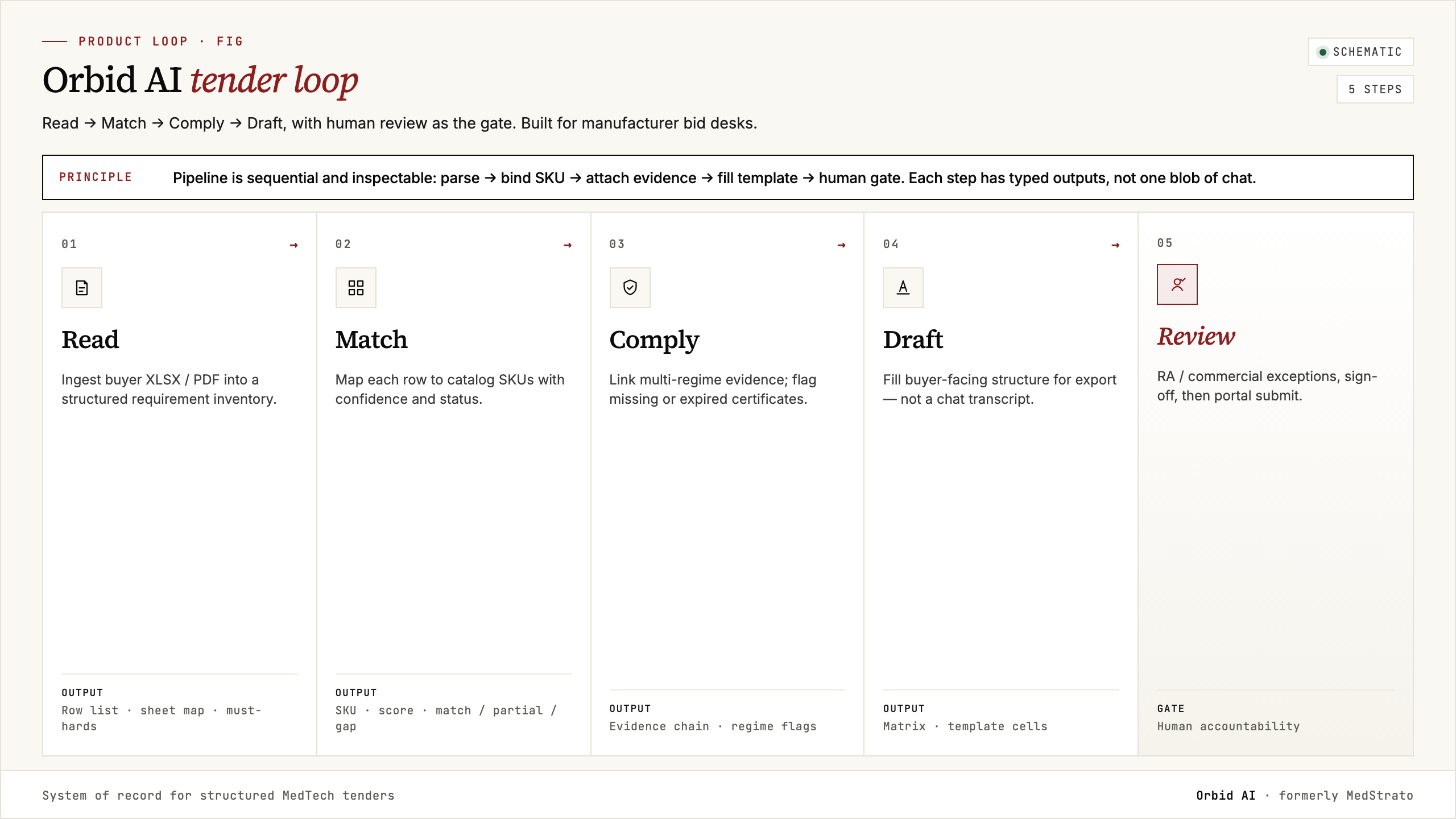
五個可自動化的步驟:

  1. 要求提取——將招標文件(PDF、Excel、Word)解析為結構化行項目
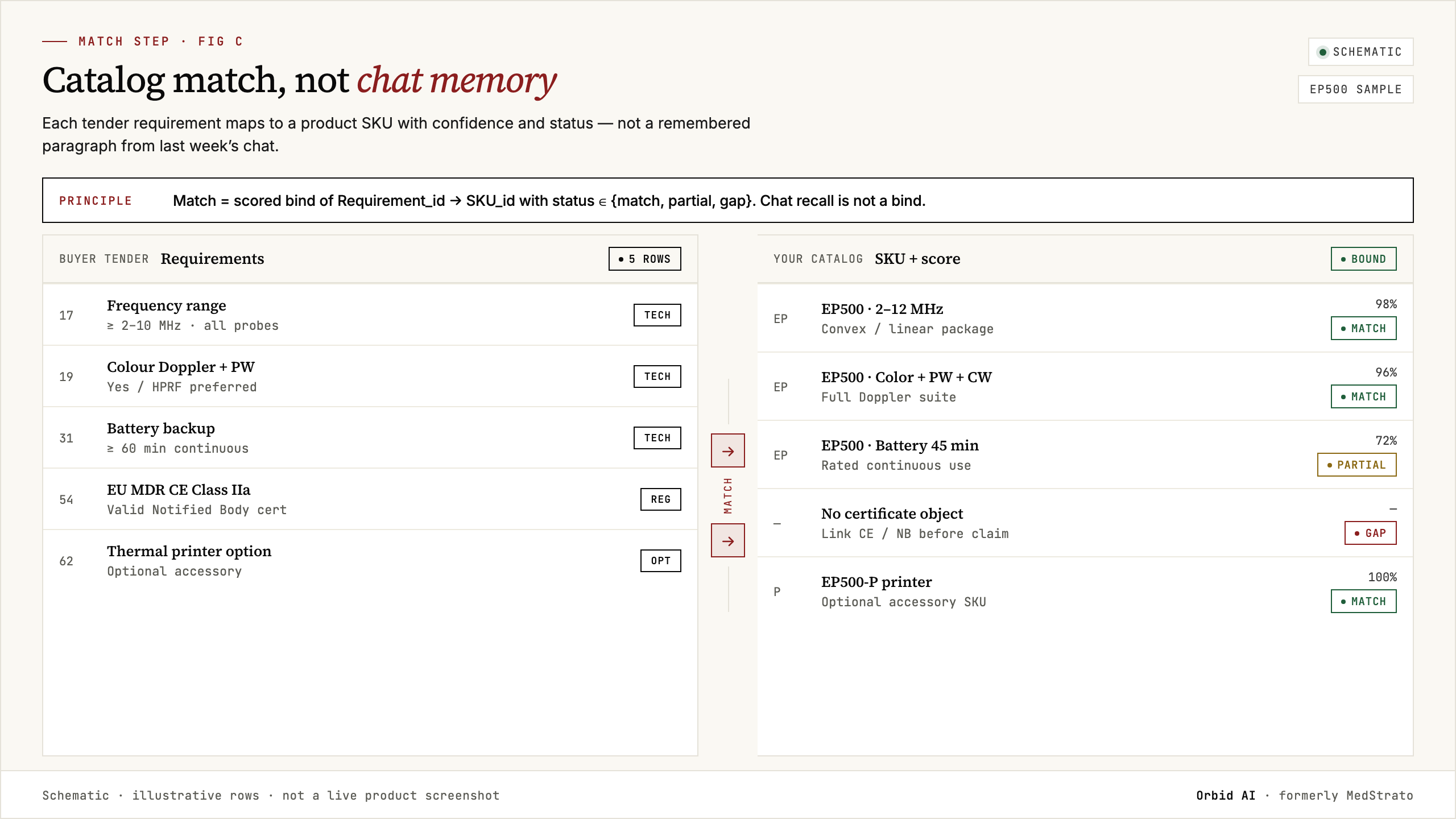
  2. 規格匹配——將每項要求對應至您的產品目錄,並附信心評分
  3. 合規核實——檢查每款匹配產品的監管狀態(FDA批准、CE標誌等)
  4. 證據收集——從您的文件庫中提取產品規格表、證書及測試報告
  5. 文件組裝——按招標要求格式編排最終提交文件

人手處理與自動化:數據對比

以下是一份典型150行醫療器械招標的對比:

階段人手處理自動化
要求提取4至6小時少於1分鐘
規格匹配12至18小時46秒
合規核查6至8小時2至3分鐘
證據收集8至12小時5至10分鐘
人工審核及策略4至6小時4至6小時
合計34至50小時4至6小時

人工審核步驟維持不變——自動化消除的是繁瑣作業,而非判斷力。

為何通用RFP工具不適用於醫療器械

Loopio、Responsive及RFPIO等工具是為資訊科技及專業服務的RFP而設計,採用內容庫及關鍵字匹配。醫療器械招標需要截然不同的能力:

  • 監管認知——您的產品是否持有適用於該特定要求的FDA 510(k)批准或CE標誌?
  • 規格級精確度——招標書寫「流速0.1至999 mL/hr」。您的產品是0.1至1200 mL/hr。關鍵字匹配會遺漏;規格匹配則能準確捕捉。
  • 證據鏈——每項聲明均需可追溯來源:規格表第4頁、證書編號X、測試報告Y章節。通用工具不構建證據鏈。
  • 多重監管體系合規——單一招標可能同時涉及FDA、ISO 13485、IEC 60601及當地註冊要求。

選擇招標自動化平台的要點

並非所有自動化都是等價的。請根據以下標準評估工具:

  1. 準確度——假陽性率是多少?(業界最佳:低於0.5%)。要求提供真實招標的基準數據,而非示範資料。
  2. 監管覆蓋——支援多少個監管體系?至少需涵蓋FDA、歐盟MDR及您的主要市場。
  3. 文件解析——能否處理格式混亂的PDF、掃描文件及非標準招標格式?
  4. 整合能力——能否對接您現有的產品目錄、文件管理系統及ERP?
  5. 審計軌跡——能否追溯每項匹配規格的來源文件?這對授標後的審計至關重要。
  6. 安全性——SOC 2 Type II、加密及數據駐留對醫療器械公司而言是不可妥協的底線。

實施路線圖

中型醫療器械公司的典型部署時間表:

  • 第1至2週:以2至3份歷史招標進行先導測試,校準匹配準確度
  • 第3至4週:整合產品目錄及文件庫
  • 第5至8週:在新招標上線部署,同步進行人工驗證
  • 第3個月起:全面投產使用,僅對邊緣個案進行人工驗證

大多數團隊在先導階段便已見到正面投資回報。詳細的投資回報計算框架,請參閱我們的採購團隊指南。

總結

招標回應自動化在2026年已非可選項——它是具競爭力的醫療器械採購團隊的基本門檻。實現自動化的團隊以同等人手回應3至5倍的招標、勝標率提升15至25%,並讓工程師從複製貼上式的合規工作中解放出來,專注策略性工作。

以您的實際招標親身體驗——攜帶一份真實標書參加30分鐘示範。

常見問題

招標回應自動化:如何將投標準備從數週縮短至數小時 [2026指南]

What is tender response automation?

Tender response automation uses AI and software tools to handle the repetitive, time-consuming parts of responding to procurement tenders — requirement extraction, specification matching, compliance verification, evidence gathering, and document assembly. Instead of spending 32–48 hours per bid manually, automated workflows compress this to 4–6 hours of review and strategic input.

How much time does tender automation actually save?

Teams using purpose-built tender automation tools report 80–90% reduction in bid preparation time. A 162-row medical device tender that takes 40 hours manually can be processed in under 46 seconds for the matching phase, with total human review taking 4–6 hours. For teams handling 10+ tenders per month, this translates to 300–400 recovered person-hours.

What's the difference between generic RFP tools and medical device tender automation?

Generic RFP tools (Loopio, Responsive, RFPIO) use content libraries and keyword matching. Medical device tender automation adds regulatory awareness (FDA 510(k), EU MDR, NMPA), spec-level matching against product datasheets, compliance audit against 14+ regulatory regimes, and evidence chains that link every claim to a source document. Generic tools can't verify that your Class III device holds the right clearance for a specific tender requirement.

Can tender automation handle multiple languages and regulatory regimes?

Yes. Modern platforms support tenders across APAC, EMEA, and Americas markets, parsing requirements in multiple languages and cross-referencing against the relevant regulatory framework — FDA for the US, EU MDR for Europe, TGA for Australia, NMPA for China, HSA for Singapore, and more.

What ROI can procurement teams expect from tender automation?

Typical ROI is 10–30× the annual software cost. For a mid-size medical device distributor: $428K in annual labor savings, 15–25% higher win rate from fewer errors, and 3–5× increase in tender capacity. The tool pays for itself within 1–2 months for most teams.

相關文章

你的下一個標書
週五截止。

三十分鐘。五十個行項目,即時匹配,對照你的真實標書。

申請存取聯繫創辦人